The end of the day
Two ingredients, both certified organic: cold-pressed argan oil and rose water from the Valley of Roses, in two layers you shake together. The oil takes hold of the makeup, the water carries it off. Hold the pad against the closed eye and count to twenty — that is what lifts waterproof mascara without pulling at the lash line.
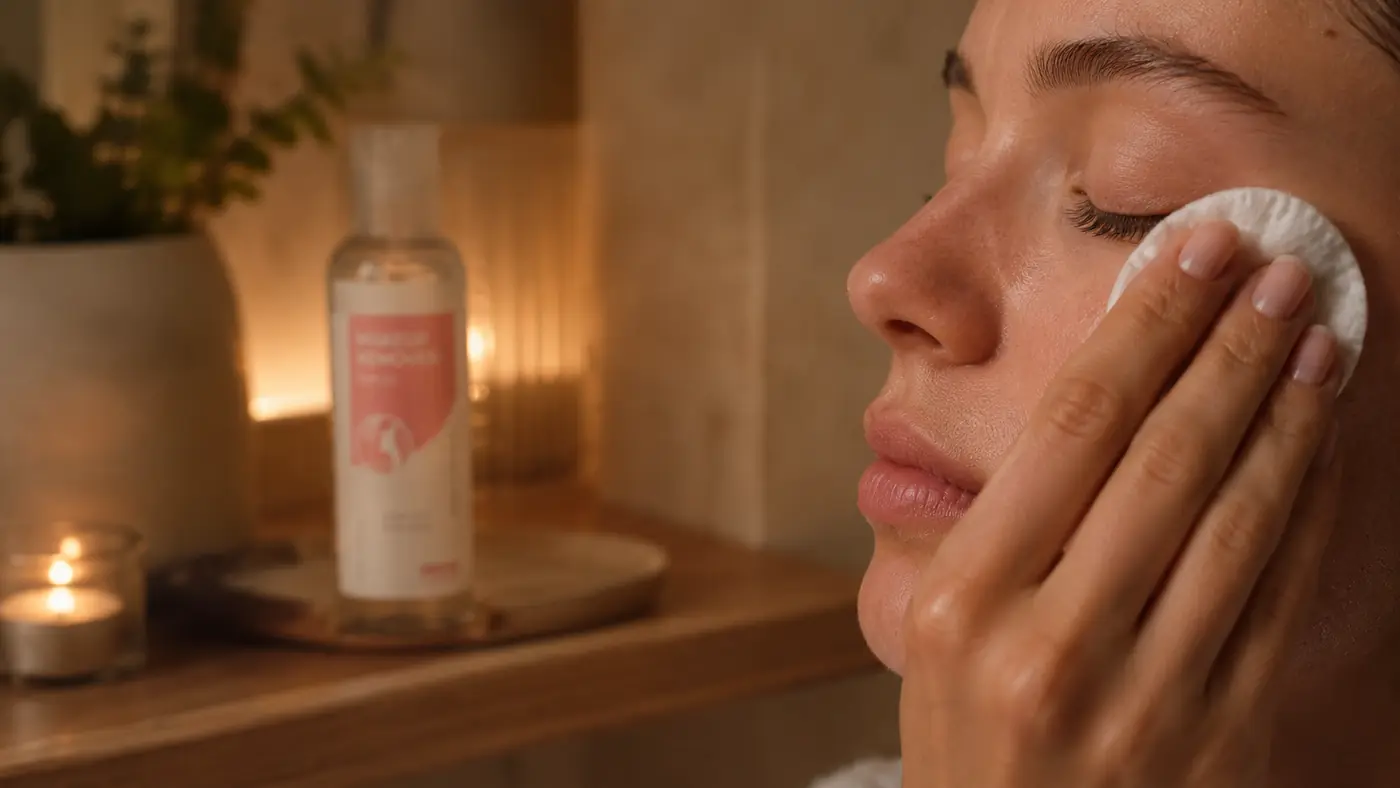
Almost everything that is meant to stay on a face all day is built out of oil and wax — mascara above all, but foundation and sunscreen too. That is the whole point of them: water runs off wax, which is why rain does not take your mascara with it. It is also why washing your face does not either.
Oil does. Oil dissolves oil and softens wax, and once the wax has gone soft the whole thing lifts in one piece instead of smearing. That is the first layer in the bottle. The second is rose water, and it is there to carry the loosened makeup away and leave the skin feeling clean rather than coated — which is what an oil on its own would do.
Plain about what it does. This takes makeup off. It is a cosmetic, not a treatment: it does not repair skin, it does not clear pores, and nothing stays on the face afterwards to moisturise it. It is mild enough to use on the eyelid, but it is not a product for the inside of the eye, and if your eyes or your skin are giving you trouble the right person to ask is a doctor.
Shake the bottle and the two phases turn cloudy; leave it on the shelf and they settle apart again, gold above, clear below. People sometimes read that as a fault. It is the opposite: oil and water separate unless something is put in to hold them together, and what holds them together in most bottles is a surfactant. There is no surfactant in this one, because there is nothing in this one but argan oil and rose water.
The argan is the same oil we sell on its own — cold-pressed, certified organic, mostly oleic and linoleic acid, which is to say omega 9 and omega 6, with the vitamin E that comes with them. The rose water is steam-distilled in the Valley of Roses, with no alcohol and no preservative, and it sits between pH 4.5 and 5.5, close enough to skin that a face does not feel tight afterwards.
So the routine has one extra second in it: shake before each use. Ten seconds of shaking gives you about half a minute of properly mixed liquid, which is both eyes and the face.
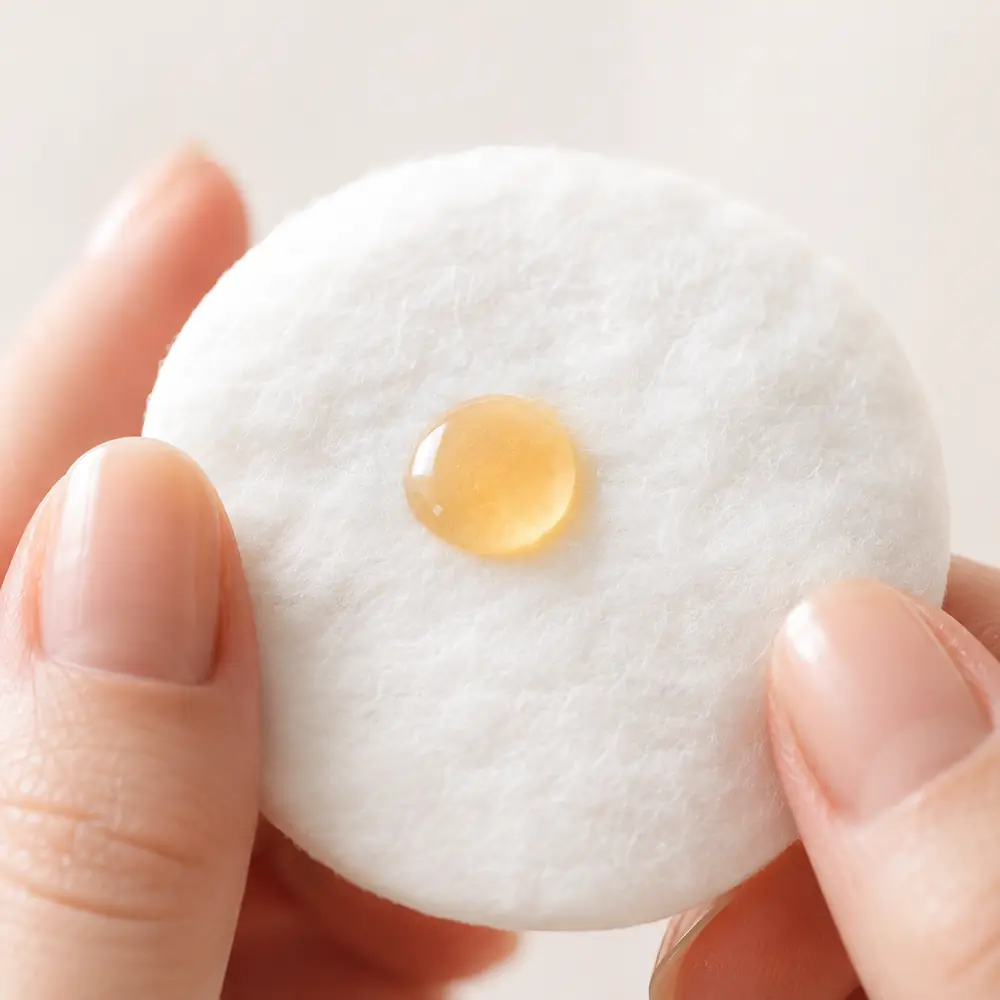
The eye is the part worth doing properly; the rest of the face is one pass and done. These are the steps we give with the bottle, and the third one is the one people skip.
Shake until it turns cloudyTen seconds, until the two layers are one. The cloudiness is the working state, and it lasts about half a minute — long enough for both eyes.
Saturate a cotton padProperly wet, not damp. A dry pad drags; a wet one slides. This is where most of the rubbing people do comes from.
Hold it on the closed eye, twenty secondsLight pressure, no movement at all. This is the step that does the work: the oil needs those seconds to dissolve the wax in the mascara. Skip it and you will be rubbing for a minute instead.
Wipe downwards, lightlyOne stroke, then another if needed. Down, never back and forth — the lashes lie that way and the skin of the lid is the thinnest on the face.
Turn the pad over, stroke upwardsThe clean side, one upward pass along the lash line, to take what is underneath. Then the face, where no waiting is needed.
None of them is a warning exactly. They are the things people write to us about in the first week.
There is no alcohol in it and no surfactant — the two things that sting. Keep the eye closed anyway: this is a product for the lid and the lashes, not for the inside of the eye. Take contact lenses out first.
Oil and water always separate unless something is added to hold them together. Nothing is added here. The two layers you see through the bottle are the ingredient list, visible.
The argan leaves the skin faintly satiny. Some people like that at night and stop there; others splash with water or sweep rose water over afterwards. Both are fine.
Argan oil turns under light — that is why the bottle is not clear and why it belongs in the cupboard rather than on the window sill. Kept out of the light it holds two years.
Two lines, and then the numbers that matter when it is standing on your shelf.
| Ingredients | Argania Spinosa (argan) Kernel Oil, Rosa Damascena Flower Water. Nothing else |
|---|---|
| What it is | A biphase — an oil layer and a water layer, shaken together before use |
| Certification | Both ingredients certified organic |
| Takes off | Foundation, eye shadow, eyeliner, waterproof mascara, sunscreen |
| Rose water pH | 4.5 to 5.5, close to the skin’s own |
| Sizes | 100 ml and 300 ml |
| Shelf life | 2 years |
| Packaging | Opaque bottle with a cap, for use with cotton pads |
| Origin | Morocco |
It should not. There is no alcohol and no surfactant in it, which are the two things that usually sting, and the rose water is at the skin’s own pH. When it does happen, it is almost always product that has gone into the eye rather than onto the lid — rinse with clean water and keep the pad flatter against the closed lid next time.
One well-soaked pad does both eyes if you turn it over, and a second does the face. Poured out rather than tipped onto the pad, it goes twice as fast; hold the pad over the neck of the bottle and turn the bottle once.
Both ingredients are sold on their own — the rose water as well as the argan. These three are what turn up in the same basket most often.
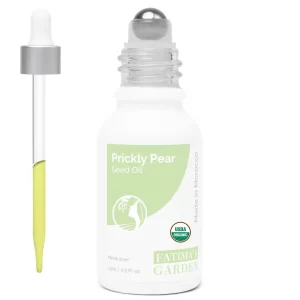 Prickly pear seed oilWhat goes on once the face is clean, in half the orders. Lighter than argan around the eye, and the one we use at night.from $39.98
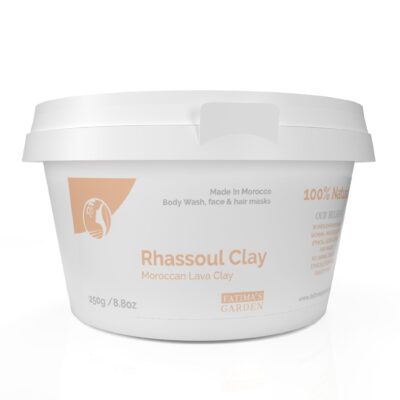 Ghassoul clayThe once-a-week step this is not. A remover takes off what you put on; the clay is what actually cleans underneath.from $21.60
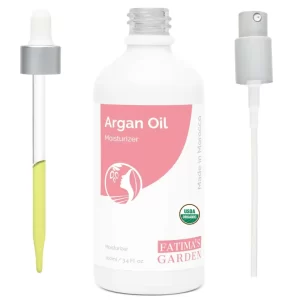 Argan oilOne of the two ingredients, sold on its own. Cold-pressed, certified organic, and the reason the skin is not left stripped.from $21.60